


The Famous "X" Paving Way to Inclusivity & Fluidity
- Oct 6, 2020
- 2 min read

Usually "X" is noted as a hard to use letter in Scrabble unless you can make it into "xylophone". Or it could just be me because that's the only word I know that starts with an X. But in the last few years, I've noticed the use of "X" to be much more prevalent. It's become the go to letter when wanting to be inclusive. But what's so wrong with woman/women and Latino/Latina?
The definition of "woman" by 1175 was being used to mean a married female, meaning one man and one woman (Lim, 2020). The origin of woman/women is rooted in traditional gender roles, a role where women cook and clean the house. But I'd like to believe we have moved further than that, we no longer expect the man to be the sole monetary provider nor the most educated. We also don't expect women to just bear children and drop everything for their husbands. Actually we don't expect women to be married to just men nor do we expect them to be confined to what a "woman" should be.
This lead to the use of "Womxn", a much more inclusive and fluid term. It originated in 1971, but has gained greater visibility in the last 10 years (Lim, 2020).
"Womxn" is much more than a progressive term, it's an inclusive term that provides fluidity, it encompasses trans womxn and non-binary individuals. Being a womxn is much more than an exterior and calling someone a "woman" is defining their gender, defining who they are.
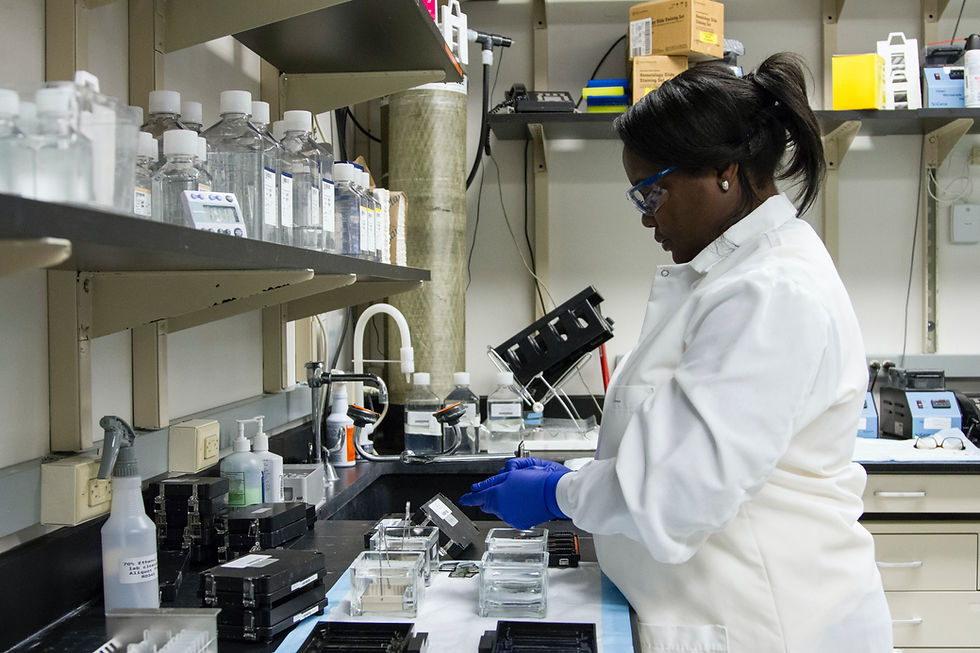
This is especially important when womxn are a minority such as those in STEM. Womxn in STEM are not prevalent and yet defining them to be a woman/women builds on the fact that they almost don't belong. It brings up the fact that woman are supposed to be homemakers, not scientists. Womxn is the most inclusive form because it assumes nothing and creates no expectations.
Remember that people are more than just definitions, more than just a single word. So when talking about a womxn you don't know, remember to use the "X" version. You don't know where they have been or where they are going.
Lim, L. (2020, March 08). 'Woman': The story of the word's origin and evolution. Retrieved October 06, 2020, from https://www.scmp.com/magazines/post-magazine/short-reads/article/3052639/where-word-woman-comes-and-how-it-has-evolved



Comments